If you’re trying to start your new painting project, there’s probably going to be a lot of picking the right color involved. The choices are seemingly endless and it’s very hard to pick between all the different shades as you’re trying to visualise the end result. In all fairness, it’s probably harder than the actual painting. But we’re here to help, so we’re going to take some of that load off your shoulders.
Here’s a bunch of colors that are forbidden, illegal or just downright impossible to get your hands on.
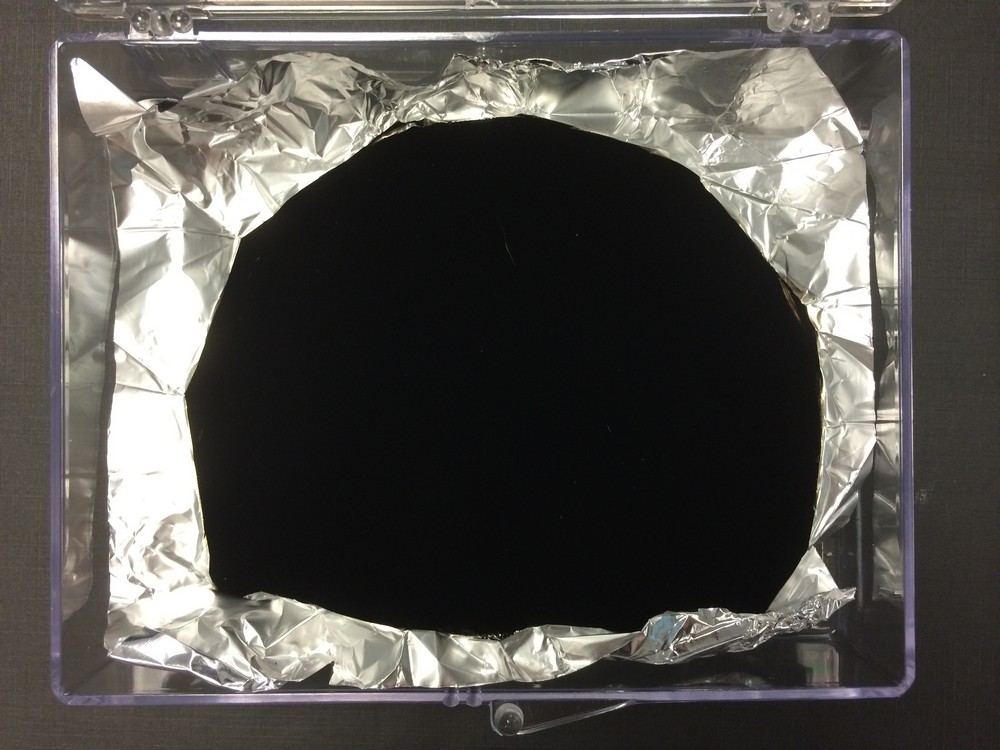
Vantablack
Vantablack was once known as the blackest of the blacks, being able to absorb 99.965% of all visible light without even breaking a sweat. Sadly, Anish Kapoor has somehow bought the exclusive licensing rights to the color vantablack. We’re not sure how buying an entire color works, or why it should work, but it does.
Lead White
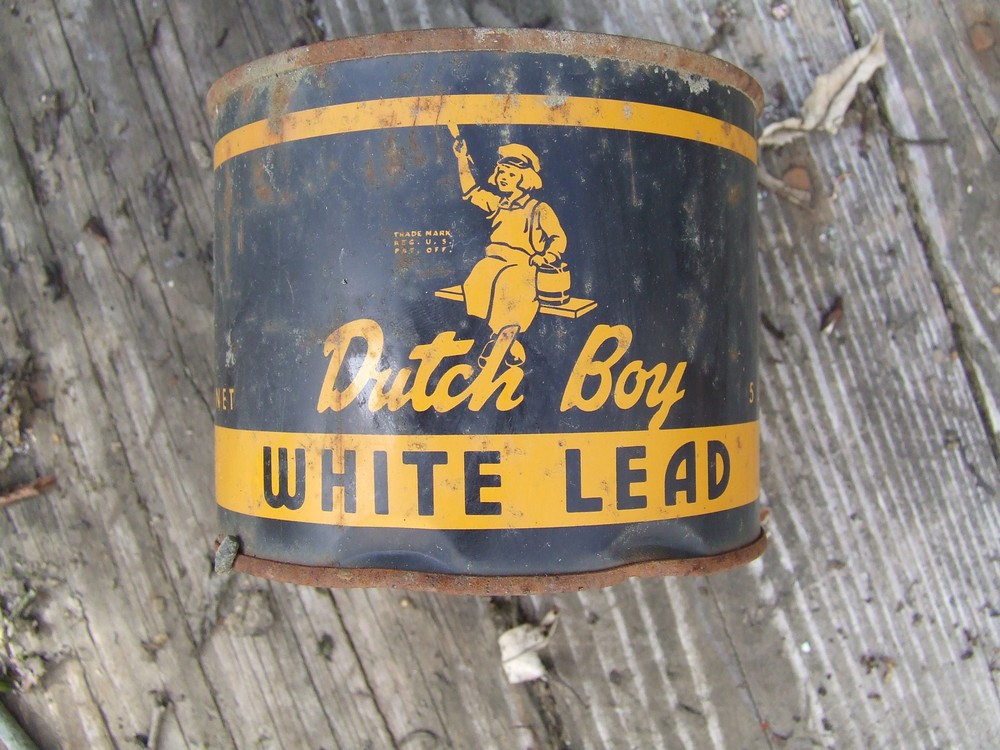
Lead white was a popular color for centuries, predating even Jesus himself, because it had a nice thick pigment and it dried super fast. It also introduced the world to “painter’s colic”, which we now know as lead poisoning. That said, the paint was so good that it was still used up until the 1970s, when it was legally banned.
Tyrian Purple
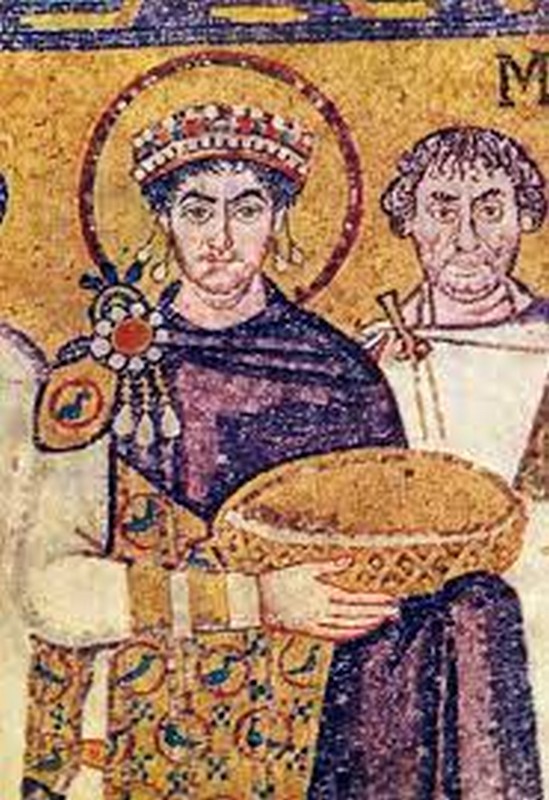
Before mauve was a thing, this was the go-to hue of many royals. Apparently purple was associated with wealth because producing it was so expensive. Tyrian purple for example required cracking about 250,000 sea snails, expose them to sunlight and then you’d get about an ounce of dye if you survived the smell of snails rotting in the sun.