What is the meaning of the cheeseburger?
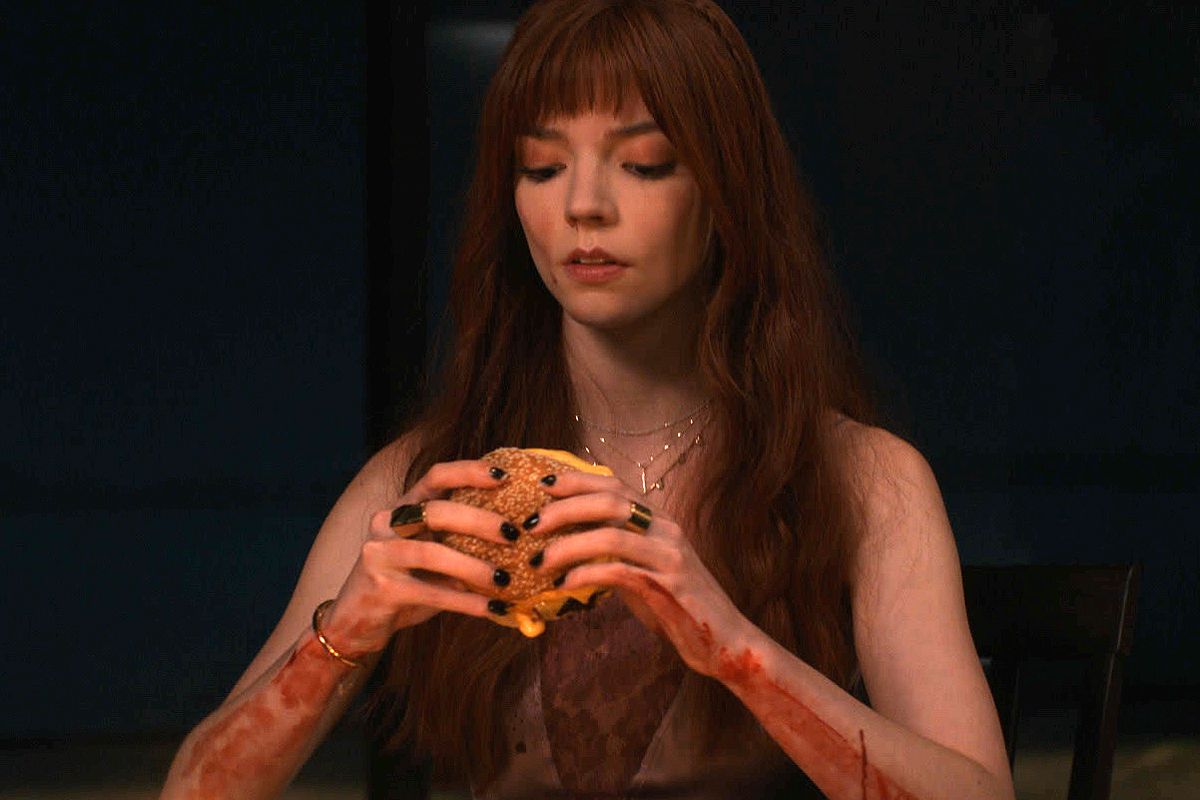
As Erin placed her order for the cheeseburger, Chef Slowik seemed so happy, you might think he was going to tear up. He complimented her choice of cheese, agreeing that American was the best option to go with a cheeseburger. As he cooked up the burger in the kitchen, he had a smile on his face, and it was clear that he had found joy in cooking for the first time in a very long time.
The cheeseburger represented Slowik’s epiphany. It was his moment of redemption and freed him from the chains he was shackled to — that of serving the pretentious upper echelon of society. Once, the chef was happy as a burger flipper. But as he got more famous, he started to serve the common people less and less. When he finally achieved a fine dining restaurant of his own, it was only to serve the picky rich who tended to criticize the food.
However, this pivotal cheeseburger scene helped him connect to his cooking roots and helped him remember the days of his youth when he was just an amateur cook in the beginning of his career. The burger-flipping job is what first helped him fall in love with the art of cooking, and Erin’s order helped to reignite that long-dormant passion, which disappeared ages ago when he began only cooking to “please the unpleasable,” In Slowik’s own words.
After Erin took a juicy bite, she complimented the chef and said it was a real burger, not like any of the nonsense that was served earlier. She paid for her burger and asked for the rest “to go” with the takeout being her ticket to escape. Fortunately, Chef Slowik agreed. The “to go” moment also gave the chef a new thought to reminisce on: the rich never order takeout. Instead, they thoughtlessly left the leftovers on the plate and didn’t fully appreciate the meal. Erin, on the other hand, wanted to show that she did indeed hope to savor the burger until the very last bite but, unfortunately, was “already full.”