6. Emergence of “Greenarctica”
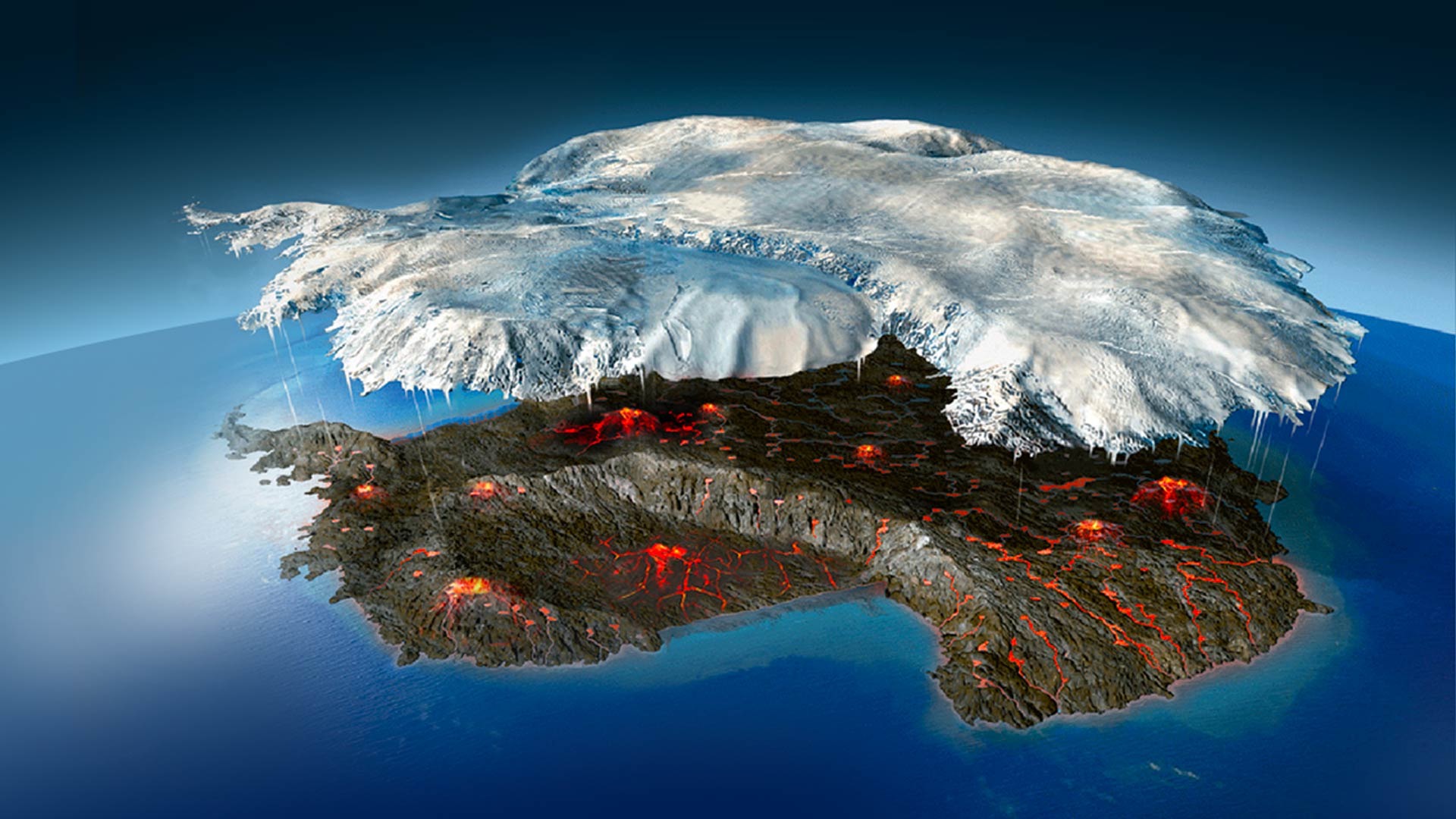
Antarctica isn’t just a flat, desolate ice desert. Our modern tech revealed stuff hidden under miles of the world’s oldest ice — 400+ lakes, rivers, and canyons bigger than the Grand Canyon. If all that ice melts, these landscapes will surely pop up with unseen-before ecosystems. If you take a good look at the most recent findings, you’ll see that Antarctica’s already turning greener in certain parts. Some places like Green Island even sport lively moss. It’s not much just yet, but the moss hints it’s getting greener.
7. Disturbing the Existing Ocean Currents
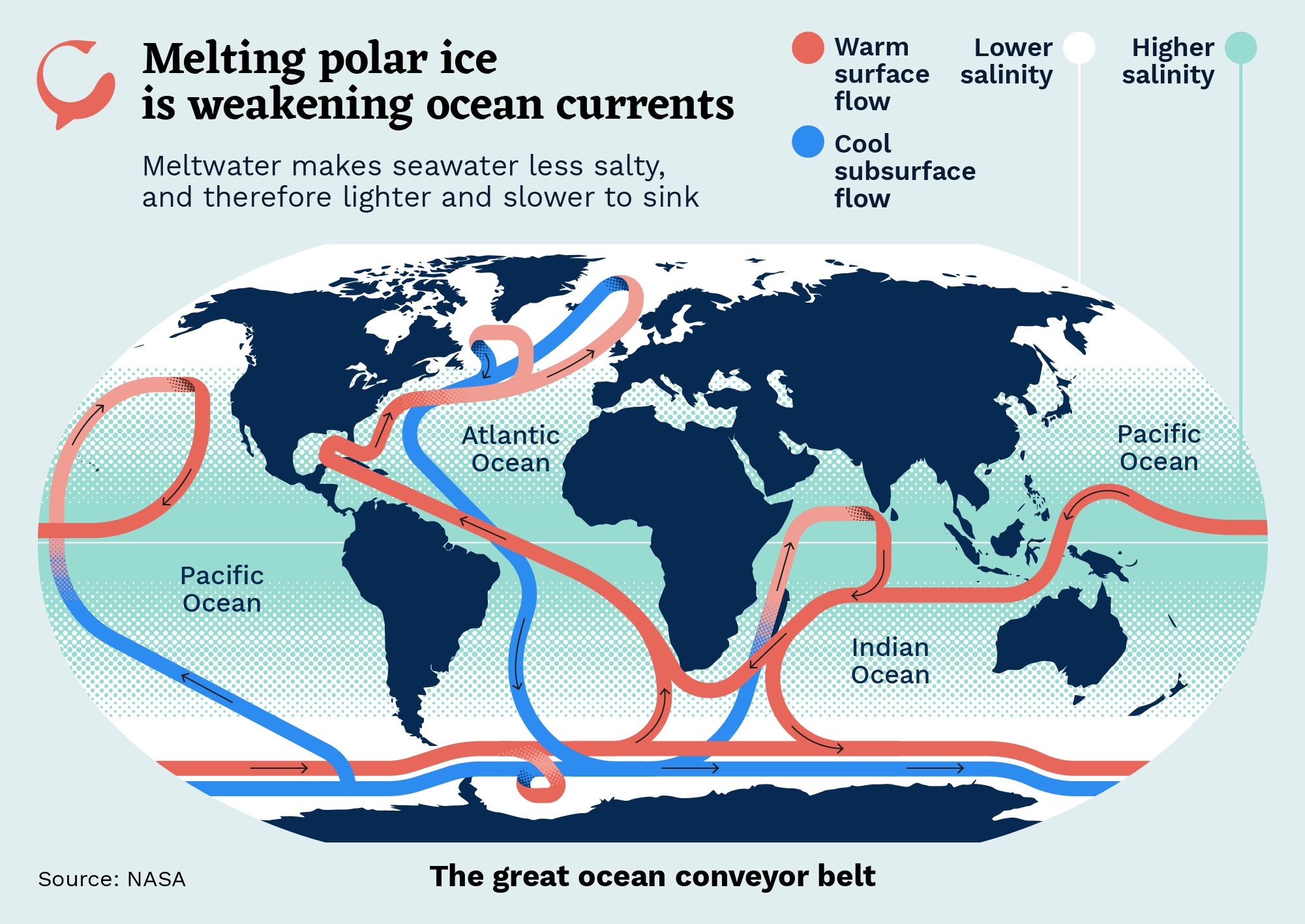
The global ocean current system, known as the thermohaline circulation, is a complex phenomenon that is influenced by various factors, including temperature and salinity. We know that surface currents can be changed by wind, but the deeper currents are propelled by the freezing and melting of ice at the poles. As ice forms, the water becomes saltier and denser, causing it to descend to the ocean floor and creating a conveyor belt-like effect that influences the flow of ocean currents. This, in turn, impacts the movements and lives of countless marine species, including fish and sharks. Particularly, Antarctica plays a critical role in regulating the southern oceans. Its massive ice sheets help to maintain the delicate balance of the thermohaline circulation, ensuring that ocean currents remain stable and predictable. Unfortunately, the rapid melting of Antarctic ice is disrupting this balance, causing significant harm to the species that have adapted to this unique environment. Ultimately, the melting of Antarctic ice could profoundly impact the lives and well-being of countless marine species, altering the delicate balance of our oceans in ways that are difficult to predict or control.